Choosing the right window size and style is crucial for any home improvement project. The windows in your home aren’t just functional; they’re a significant part of your home’s overall aesthetic. selecting the incorrect size or style can lead to a variety of problems, from insufficient natural light to poor energy efficiency and even a decrease in your home’s resale value. This thorough guide will walk you through the essential factors to consider when choosing window size and style, ensuring your windows perfectly complement your home and enhance your living space. We’ll explore various window styles, discuss the importance of accurate measurements, and guide you through the decision-making process. By the end of this article, you’ll be equipped with the knowledge to select the ideal windows for your needs.
Understanding Window Styles and Their Impact
Common Window Styles and Their Characteristics
Window styles come in various shapes and sizes. Understanding each style’s characteristics is crucial in choosing the right one for your home. Consider these examples:
- Double-hung windows: These classic windows attribute two sashes that slide vertically, allowing for easy cleaning and ventilation.
- Casement windows: These windows open outward on hinges, maximizing ventilation and offering excellent views. They’re often preferred for their energy efficiency.
- Awning windows: These windows open outward at the bottom, providing ventilation even during rain. They’re commonly used above other window styles.
- Slider windows: Similar to double-hung, these have sashes that slide horizontally. They are space-saving option.
- Bay windows: These projecting windows add extra space and light. The multiple panes typically combine varied window styles.
Matching Window Style to Architectural Style
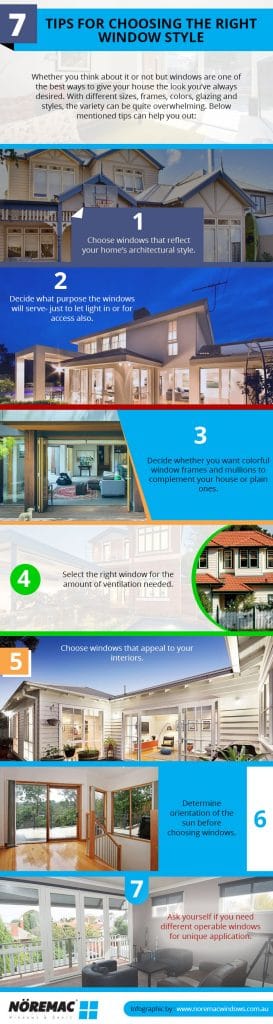
selecting windows that complement your home’s architecture is crucial for maintaining its curb appeal. A modern home might look striking with sleek casement windows while a traditional house might be optimal suited to double-hung windows or bay windows. study window styles compatible with your architecture before finalizing your decision.
Considering Natural Light and View
Windows serve as a critical source of natural light. The size and placement of windows directly impact the amount of light that enters your home. Large windows or those facing south generally offer more natural light. Strategically placing your windows can maximize natural light while improving your views.
Measuring for the Perfect Window Size
Accurate Measurements are Crucial
Accurate measurements are the foundation for selecting the correct window size. Incorrect measurements could lead to installation problems or an awkward fit. When measuring, be meticulous and measure multiple times to verify your measurements.
Understanding Rough Opening vs. Window Size
Remember that the window’s rough opening, the space in the wall where the window frame sits, differs from the actual window size. The rough opening needs to be larger to accommodate the window frame and allow for proper installation.
Tools and Techniques for Accurate Measurement
You need a tape measure, level, and pencil for precise measurements. Mark the measurements on the wall and double-check before ordering your windows. Consult the manufacturer’s installation instructions for specific requirements and tolerances.
Considering Window Placement and Spacing
Proper window placement enhances natural light and ventilation. When planning window placement, consider the amount of sunlight you desire, and how well-spaced windows will look against the wall.
Balancing Aesthetics, Energy Efficiency, and Budget
Energy Efficiency Considerations
Energy-efficient windows are a long-term investment that will reduce your energy bills. Look for windows with low-E coatings, gas fills, and high-performance frames. These attributes help prevent heat transfer and improve insulation. Factors like climate, insulation, and the number of windows influence energy needs.
Budgetary Considerations and Material Choices
Window prices vary significantly depending on material (wood, vinyl, fiberglass, aluminum), size, style, and energy efficiency attributes. Set a realistic budget before you begin shopping and select materials that meet your needs and budget. Consider the longevity and maintenance of various window materials.
Enhancing Curb Appeal Through Window selection
Windows significantly impact a home’s curb appeal. The right window style and color can transform the look of your home. Consider the overall architectural style of your house when choosing window colors and materials. Matching materials and styles will make your home more visually appealing.
Choosing Windows for varied Rooms
Windows for Bedrooms
Bedrooms generally benefit from windows that balance privacy with natural light. Consider using smaller windows strategically placed to maximize privacy while still allowing adequate light. Double-hung or casement windows with privacy glass are great choices.
Windows for Living Rooms
Living rooms often attribute larger windows to maximize natural light and create a spacious feel. Bay windows or large sliding glass doors are frequently used in this context. Consider energy efficiency in the selection process.
Windows for Kitchens and Bathrooms
Kitchens and bathrooms need windows that offer ventilation and natural light, while resisting moisture. Casement windows or awning windows work well, providing easy access to outdoor spaces.
Windows for Basements
Basement windows should focus on maximizing light and ventilation, often including egress windows for safety. Consider the size of the window and placement to boost natural light in the basement.
Installation and Maintenance of Your New Windows
Professional Installation is Key
Proper installation is critical to ensure your windows perform correctly and last for years. Incorrectly installed windows can lead to drafts, leaks, and decreased energy efficiency. Hiring a professional installer is recommended to ensure optimal installation.
Regular Window Maintenance
Regular maintenance will keep your windows looking their optimal and prolong their lifespan. This involves periodic cleaning, lubrication of moving parts, and inspection for any damage. Cleaning the window tracks can prevent issues related to window operation.
Addressing Common Window Problems
Even with professional installation, some problems may arise. Common issues include drafts, leaks, or malfunctioning mechanisms. Contact a window professional for repair or maintenance issues. Early detection and repair can prevent more significant problems.
Choosing the right window size and style significantly impacts your home’s aesthetic appeal, energy efficiency, and overall value. Remember to consider your home’s architectural style, the available natural light, and your budget when making your decisions. By carefully weighing these factors and following the tips outlined above, you can confidently select windows that perfectly complement your home and enhance your living experience. Don’t hesitate to consult with a window professional for personalized guidance and expert advice on window size and style selection. Start planning your window upgrade today!