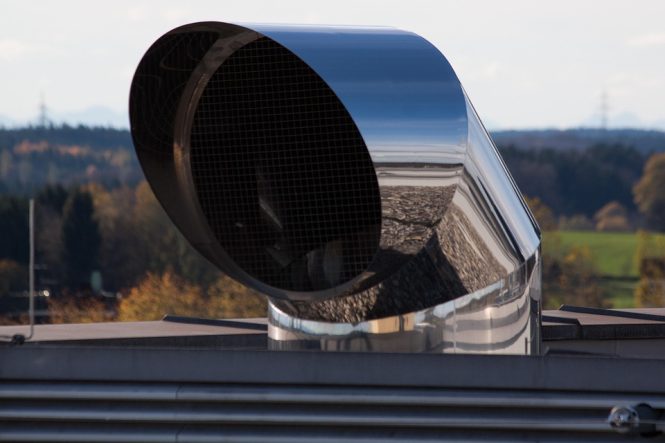
The Importance of a Good Roof Ventilation System
A well-designed roof ventilation system is a crucial component of a building’s overall structure and functionality. It plays a vital role in maintaining a healthy, energy-efficient, and safe indoor environment. In this article, we will explore the importance of a good roof ventilation system and why it should be a top priority for homeowners, builders, and architects.
What is Roof Ventilation?
Roof ventilation refers to the process of removing heat, moisture, and stale air from a building’s attic or roof space. It involves installing vents, such as ridge vents, soffit vents, or power vents, to create a circulation of air that helps to regulate the temperature and humidity levels in the attic. This circulation of air prevents the buildup of excess heat and moisture, which can lead to a range of problems, including structural damage, mold growth, and increased energy costs.
Benefits of a Good Roof Ventilation System
A good roof ventilation system offers numerous benefits, including:
- Reduced Energy Costs: A well-ventilated roof can help to reduce energy costs by allowing hot air to escape, thereby reducing the need for air conditioning and cooling systems.
- Prolonged Roof Life: Excess heat and moisture can cause roofing materials to deteriorate prematurely. A good roof ventilation system helps to extend the life of the roof by preventing these damaging conditions.
- Improved Indoor Air Quality: By removing stale air and moisture from the attic, a roof ventilation system helps to improve the indoor air quality, reducing the risk of mold growth and allergies.
- Reduced Risk of Mold and Mildew: Excess moisture in the attic can lead to mold and mildew growth, which can spread to other parts of the building. A good roof ventilation system helps to prevent this by removing excess moisture.
- Increased Safety: A well-ventilated roof can help to reduce the risk of fires and explosions by removing flammable gases and materials from the attic.
Types of Roof Ventilation Systems
There are several types of roof ventilation systems available, including:
- Ridge Vents: These vents are installed along the peak of the roof and allow hot air to escape while keeping rain and debris out.
- Soffit Vents: These vents are installed under the eaves of the roof and allow cool air to enter the attic.
- Power Vents: These vents use electricity to power a fan that pulls hot air out of the attic.
- Solar-Powered Vents: These vents use solar energy to power a fan that pulls hot air out of the attic.
Designing an Effective Roof Ventilation System
To design an effective roof ventilation system, several factors must be considered, including:
- Climate: The ventilation system should be designed to account for the local climate and weather patterns.
- Roof Size and Shape: The ventilation system should be designed to accommodate the size and shape of the roof.
- Insulation: The ventilation system should be designed to work in conjunction with the insulation to prevent heat loss and moisture buildup.
- Local Building Codes: The ventilation system should be designed to meet local building codes and regulations.
Conclusion
A good roof ventilation system is essential for maintaining a healthy, energy-efficient, and safe indoor environment. By understanding the importance of roof ventilation and designing an effective system, homeowners, builders, and architects can ensure that their buildings are well-ventilated, energy-efficient, and safe. Whether you’re building a new home or renovating an existing one, a good roof ventilation system should be a top priority.