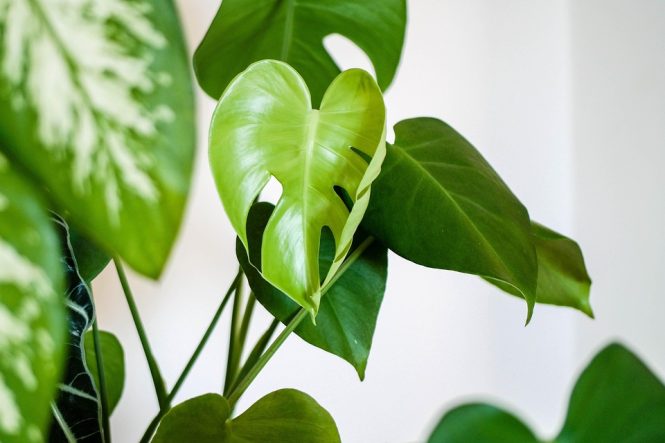
How to Care for Monstera and Philodendron Plants: A Comprehensive Guide
Monstera and Philodendron plants are two of the most popular houseplants, known for their stunning leaves and ability to purify the air. With proper care, these plants can thrive and bring a touch of tropical beauty to your home. In this article, we will provide a comprehensive guide on how to care for Monstera and Philodendron plants, including lighting, watering, fertilization, pruning, and pest control.
Lighting
Monstera and Philodendron plants prefer bright, indirect light, but can tolerate low light conditions. East- or west-facing windows are ideal for these plants, as they provide gentle, indirect light. Direct sunlight can cause the leaves to become scorched, so it’s best to avoid placing them in south-facing windows. If you don’t have a bright window, you can also use grow lights to provide the necessary light.
Watering
Overwatering is the most common mistake people make when caring for Monstera and Philodendron plants. These plants prefer moist soil, but should not be waterlogged. Water your plant when the top 1-2 inches of soil feels dry to the touch. Reduce watering in the winter months when the plant is dormant. Use room-temperature water, as cold water can shock the roots.
Humidity
Monstera and Philodendron plants thrive in humid environments, typically between 50-70% relative humidity. To maintain the right humidity level, you can:
- Place the plant on a tray filled with water and pebbles
- Use a humidifier
- Group plants together to create a microclimate
Fertilization
Feed your Monstera and Philodendron plants with a balanced, water-soluble fertilizer during the growing season (spring and summer). Dilute the fertilizer to half the recommended strength to avoid burning the roots. You can also use a fertilizer specifically formulated for tropical plants.
Pruning
Pruning is essential to maintain the shape and encourage healthy growth of Monstera and Philodendron plants. Remove any dead or damaged leaves, and cut back long vines to encourage branching. Prune your plant every 1-2 months to maintain its desired shape.
Pest Control
Check your plant regularly for pests, such as spider mites, mealybugs, and scale. If you notice any infestations, treat your plant with insecticidal soap or neem oil. Isolate your plant to prevent the pests from spreading to other plants.
Propagation
Monstera and Philodendron plants can be easily propagated through stem cuttings or division. Take 4-6 inch stem cuttings with at least two nodes, remove lower leaves, and plant them in a pot filled with moist soil. Keep the soil warm and humid until roots develop.
Common Problems
- Yellowing leaves: Overwatering or underwatering
- Brown edges: Dry air or overfertilization
- Leaf drop: Underwatering or extreme temperature changes
Tips and Variations
- Monstera deliciosa: This variety has large, holes-filled leaves and can grow up to 8 feet tall.
- Philodendron selloum: This variety has heart-shaped leaves and can grow up to 5 feet tall.
- Train your plant: Use a trellis or a moss pole to train your Monstera or Philodendron plant to climb.
By following these care tips, you can maintain healthy and thriving Monstera and Philodendron plants. Remember to monitor your plant’s specific needs and adjust your care routine accordingly. With proper care, these plants will reward you with stunning foliage and a touch of tropical beauty in your home.